🚨 Have an emergency? Text us: 801-201-6413



A furnace that quits during a Salt Lake City cold snap isn't a wait-and-see problem; the house gets cold fast, and frozen pipes aren't far behind. Air Pros Heating & Cooling provides 24/7 furnace repair across Salt Lake City and the SLC Valley, with a live person on the phone and a clear diagnosis before any work begins.
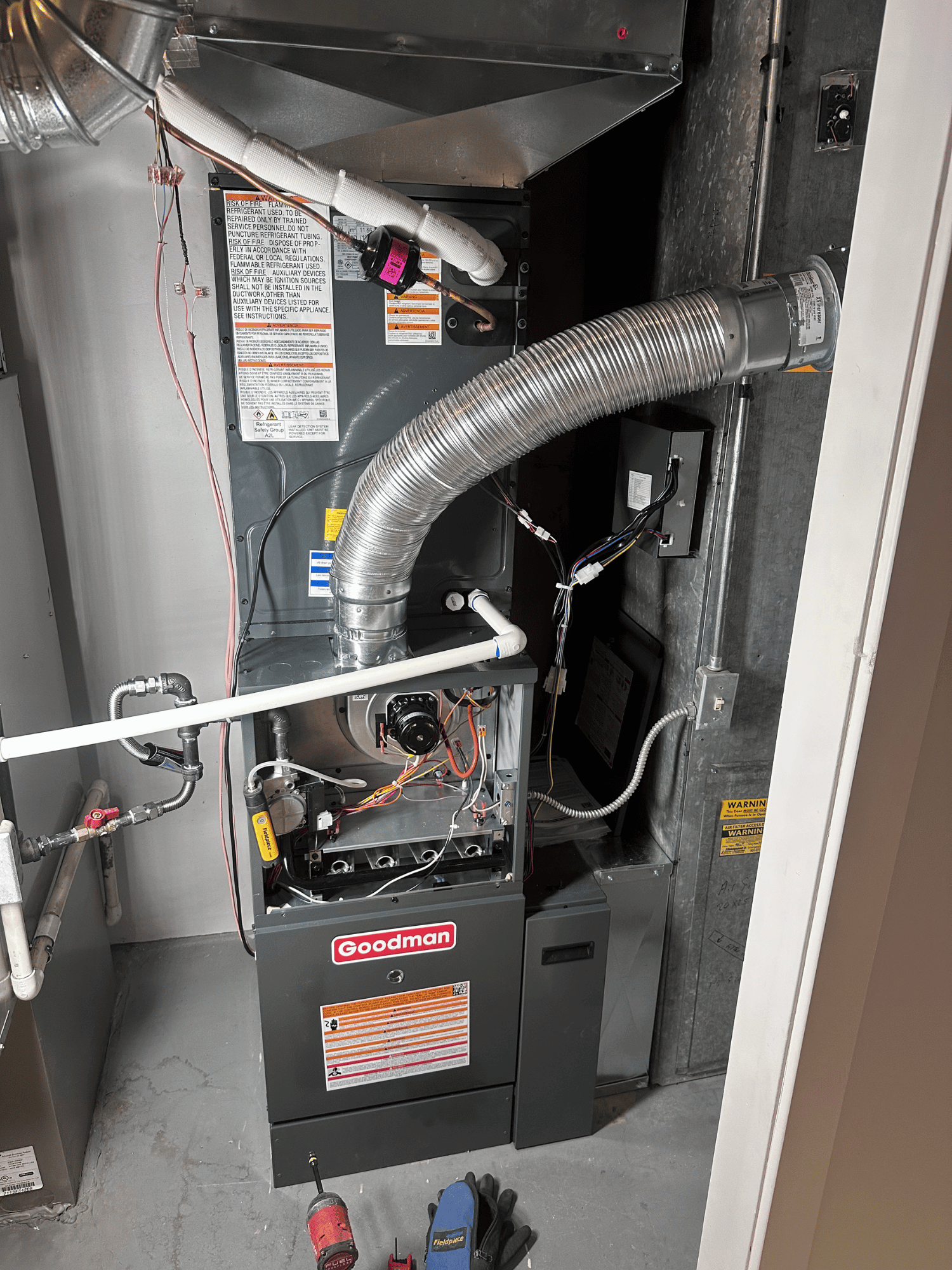
Furnaces fail in predictable places. These are the repairs behind most of our winter calls.
The failed hot surface ignitor is the single most common furnace repair we see. Dirty or failing flame sensors are close behind; they shut the burner down as a safety measure even when everything else works, and often just need a proper cleaning. Older furnaces with standing pilots bring their own set of ignition quirks.
A blower that runs slow, screeches, or won't start leaves heat trapped in the furnace instead of moving through the house. Failed capacitors, worn bearings, and stretched belts on older belt-driven units are all repairable.
Sometimes the furnace is healthy and the brain isn't. We test the thermostat, wiring, and control board before condemning any expensive component, because a loose or corroded connection can mimic a much bigger problem.
The heat exchanger keeps combustion gases separate from the air your home breathes. A crack can allow carbon monoxide into the air supply, which is why we inspect it during repair visits and treat any crack seriously. A cracked exchanger usually means furnace replacement, so we'll show you exactly what we found rather than asking you to take our word for it.
Clogged filters, blocked returns, and leaky ducts make furnaces overheat and shut themselves down. They're also the cheapest problems on this list to fix, so we rule them out early.

Check the simple things first: thermostat set to heat, furnace switch on, breaker not tripped, filter not packed solid. If those check out, the likely culprits are the ignitor, a safety switch doing its job, or a control fault. All are quick diagnoses for a technician.
Cold air from the vents usually means the burner isn't lighting or isn't staying lit, which points to the flame sensor or ignitor. It can also be a blower stuck running between cycles, or a clogged filter causing the furnace to overheat and cut its burners.
Starting and stopping every few minutes without reaching temperature is usually overheating from restricted airflow, a dirty flame sensor, or a thermostat problem. It wastes gas and beats up components, so it's worth fixing before it becomes a no-heat call.
A brief dusty smell at the first fire of the season is normal. A burning-plastic or electrical smell is not. A rotten-egg smell means gas: leave the house and call your gas company from outside before you call anyone else.
Burner flames should be blue. Yellow or flickering flames point to incomplete combustion, which can produce carbon monoxide. Schedule an inspection promptly and make sure your CO detectors are working in the meantime.
A boom at ignition is often delayed lighting, where gas builds up before the burner catches; over time that stresses the heat exchanger. Screeching suggests blower motor or belt trouble. Rattles range from a loose panel to something that matters more.
If your habits haven't changed but the gas bill has, the furnace is likely losing efficiency to dirty burners, weak airflow, or worn parts. The bill often notices before the thermostat does.


Plenty of companies fix furnaces. Here's how Air Pros does it.
Air Pros is a Salt Lake City company. The people answering the phone at midnight are the same ones accountable for the work the next morning.
Reviewers keep mentioning the same things: on-time arrivals, clear explanations, and repairs that hold up.
We repair furnaces and we replace them, so we have no reason to steer you either way. You get the honest math and the final say.
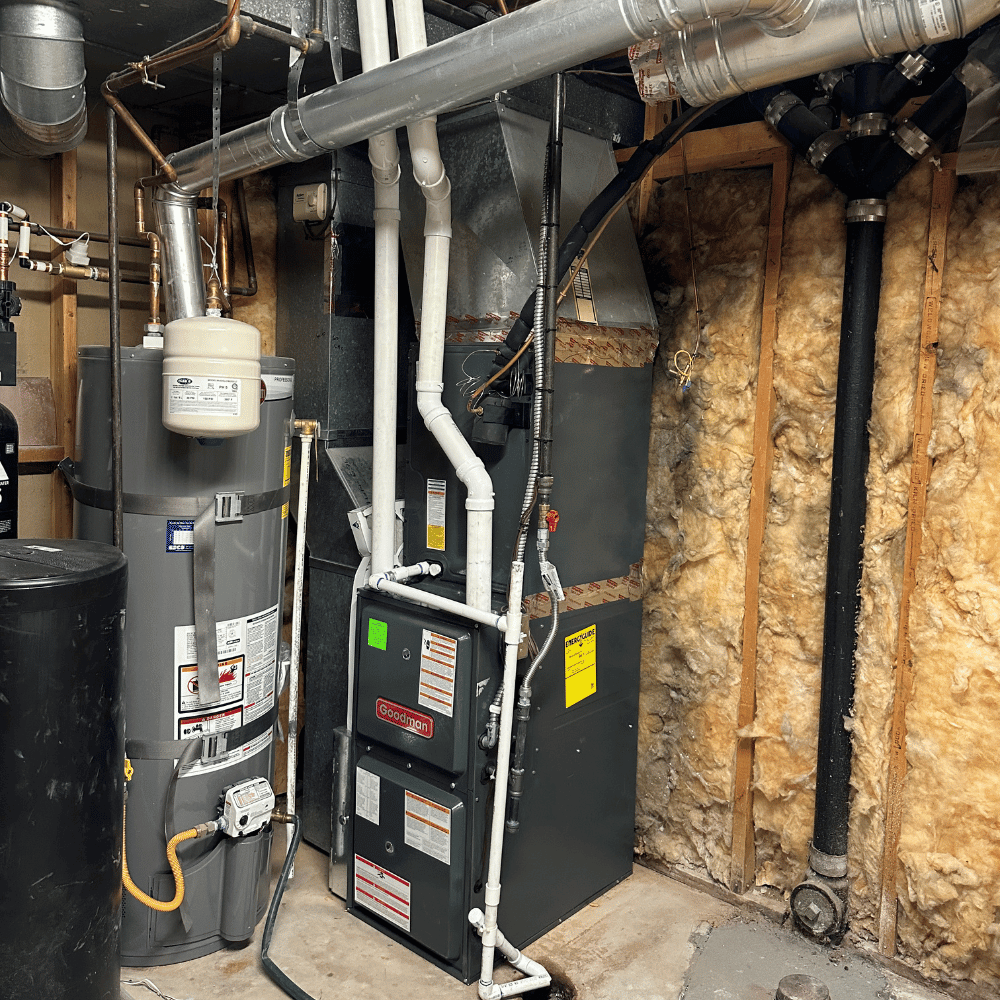
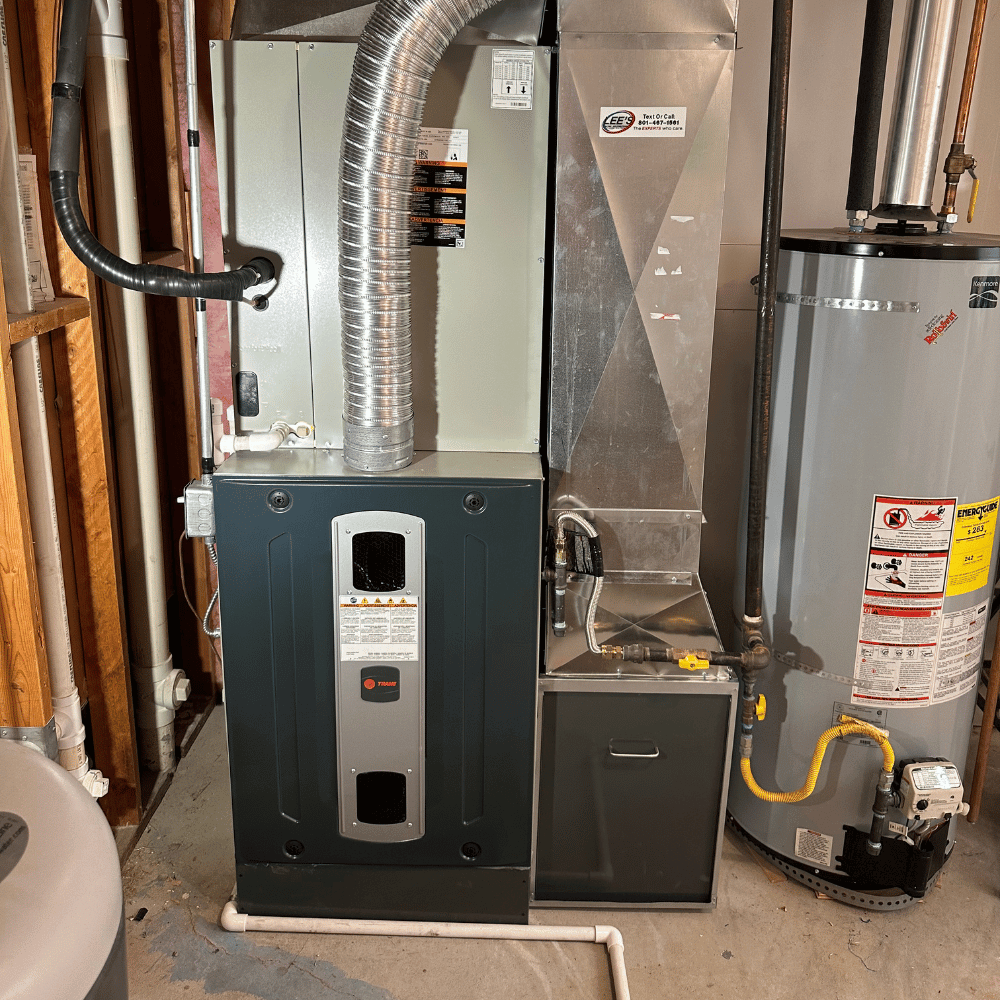
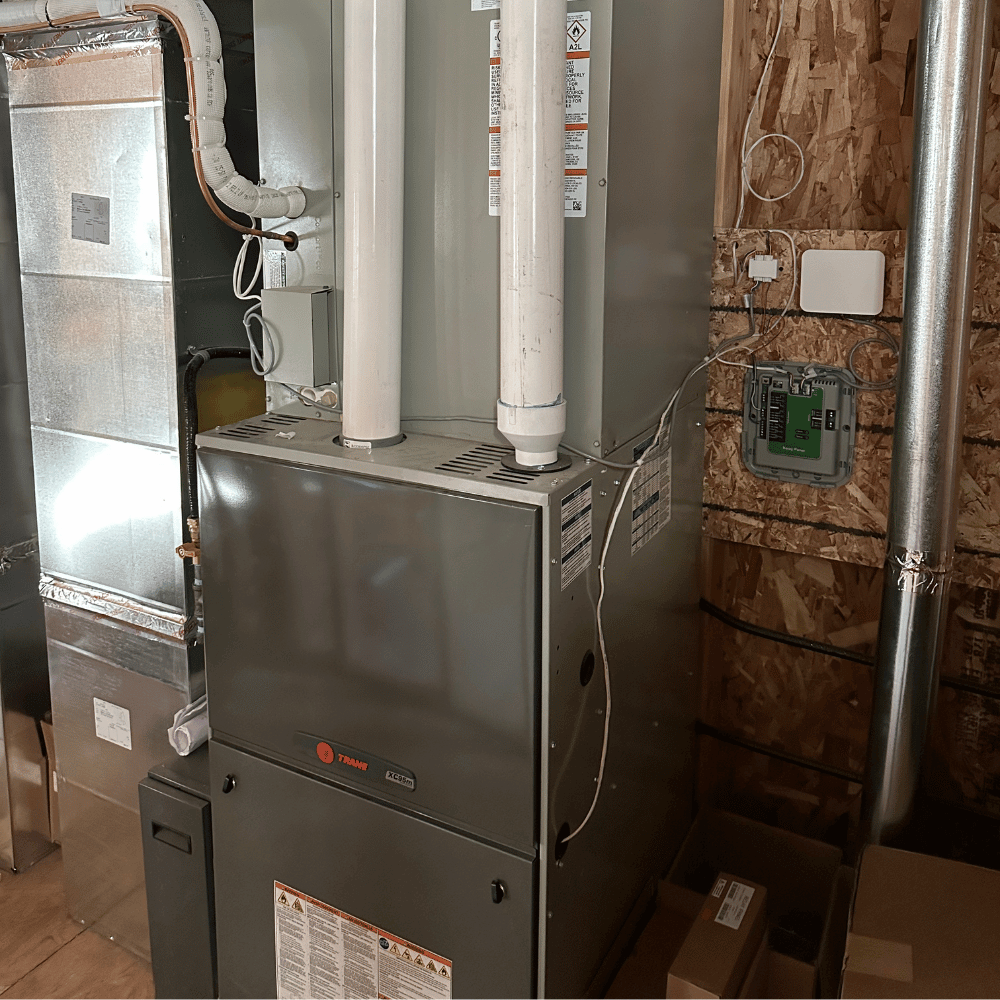
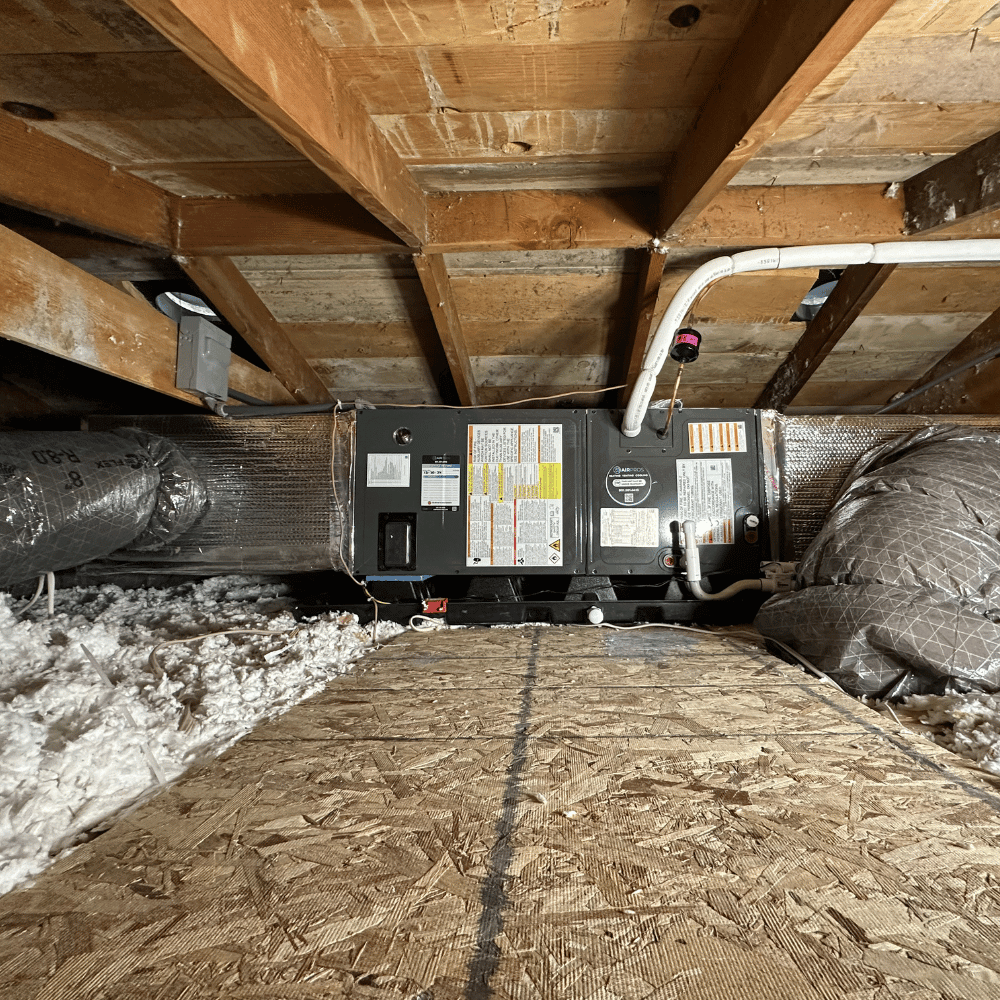
Trane, Goodman, Mitsubishi Electric, and most other manufacturers; if it heats your home, we can work on it.
A no-heat call is stressful enough without wondering what happens next. Here's the process, start to finish.
Day or night, you reach someone who can actually schedule a technician, not a voicemail or an answering service reading a script. Describe what the furnace is doing; simple checks sometimes solve it on the phone at no charge.
Our vehicles stock the common winter failure parts: hot surface ignitors, flame sensors, capacitors, and filters. Most heater repair calls in Salt Lake City finish in a single visit.
You get a clear explanation of what failed and a written price before any repair work begins. The diagnostic fee applies to the repair if you go ahead.
After the fix, we run a full heating cycle, verify temperature rise, and check the components most likely to fail next, so one repair doesn't become a repeat call in February.
Furnace repair pricing depends on the part. Flame sensor cleanings and ignitor replacements sit at the affordable end; blower motors and control boards cost more. We diagnose first and put the price in writing before any work begins, and the diagnostic fee applies to the repair if you move ahead.
On the repair-or-replace question, a useful industry shortcut is to multiply the furnace's age by the repair quote. If the result stays under $5,000, repair is usually the sound move; if it clears that line, replacement deserves a serious look. It's a rule of thumb, not gospel, but it keeps the decision anchored to math instead of pressure.
A few situations tilt the answer toward replacement on their own: a cracked heat exchanger, a furnace past 15 years facing a major repair, parts no longer available for your model, or repeated breakdowns across consecutive winters. If that's where your system is, our furnace installation team can price a replacement with a free in-home estimate, and you can compare both numbers side by side.
Most January no-heat calls trace back to problems a fall tune-up would have caught: a weakening ignitor, a dirty flame sensor, a blower running hot. The Air Pros Pro-Active Plan pairs seasonal maintenance with priority scheduling, so your furnace gets checked before winter and you move to the front of the line if something breaks during a cold snap anyway.