🚨 Have an emergency? Text us: 801-201-6413



A heat pump doesn't get a season off. When yours quits, you're either losing heat on a January night or losing cooling in a July heat wave, and Air Pros Heating & Cooling provides 24/7 heat pump repair across Salt Lake City for both. We find the actual cause, explain it in plain language, and put your system back to work.
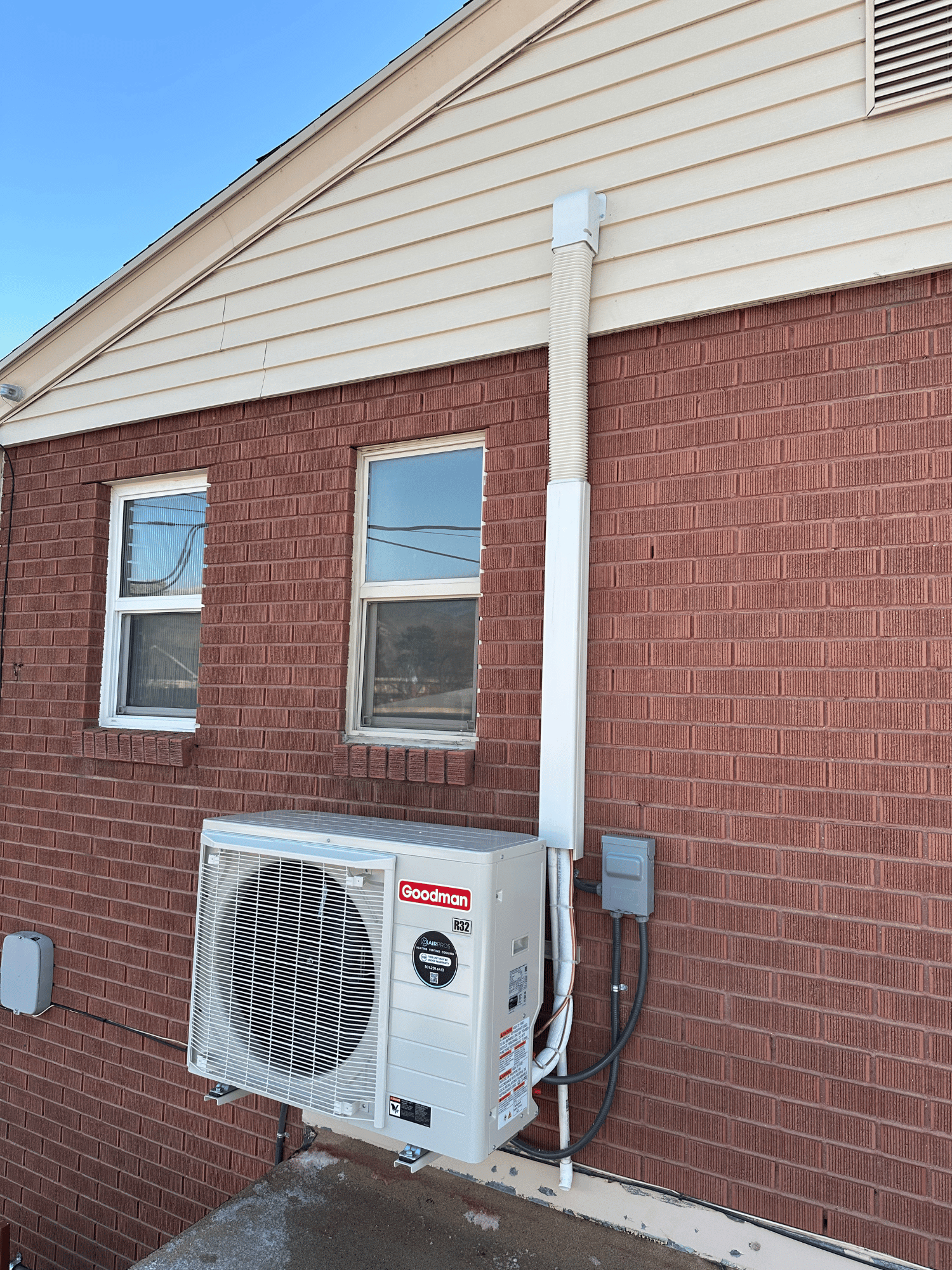
Heat pumps share a lot of parts with air conditioners, plus a few that are all their own. Here's what's usually behind the calls we get.
The reversing valve is what lets one system heat and cool. When it sticks, the heat pump gets trapped in a single mode, blowing cool air when you want heat or the other way around. It's a heat-pump-specific repair, and one we diagnose often.
In winter, the outdoor coil frosts over and the defrost cycle clears it. If the defrost control board, sensor, or outdoor fan fails, ice builds until the unit can't move air at all. Thick ice that survives a defrost cycle is a repair call, not a wait-and-see.
Low refrigerant means the charge is escaping somewhere, and it hurts both heating and cooling performance. Topping off without finding the leak just postpones the same call. We locate the leak, repair it, and recharge the system to manufacturer specs.
These small components take a beating on a system that runs year-round. A failed one shows up as humming, clicking, or a unit that won't start. They're quick diagnoses and often same-visit fixes.
Weak airflow, squealing, or grinding usually traces to the indoor blower or outdoor fan motor. Caught early it's a bearing or motor swap; ignored, it can take the compressor down with it.
Sometimes the heat pump is healthy and the controls aren't. We test the thermostat, its wiring, and the mode-switching signals before recommending any larger repair.
Hard starts, tripped breakers, or a system that runs without producing are compressor warning signs. It's the most expensive part in the system, so when compressor trouble surfaces we'll tell you plainly whether fixing it beats replacing the unit.
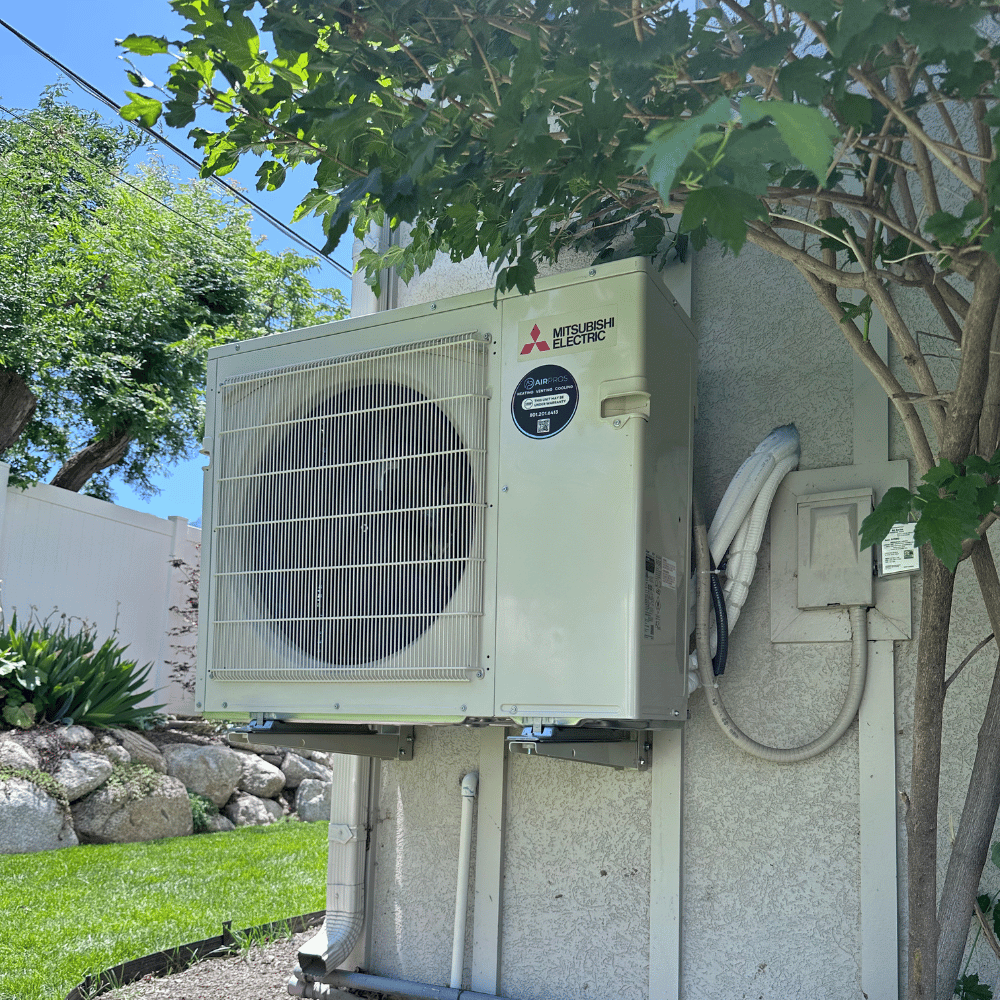
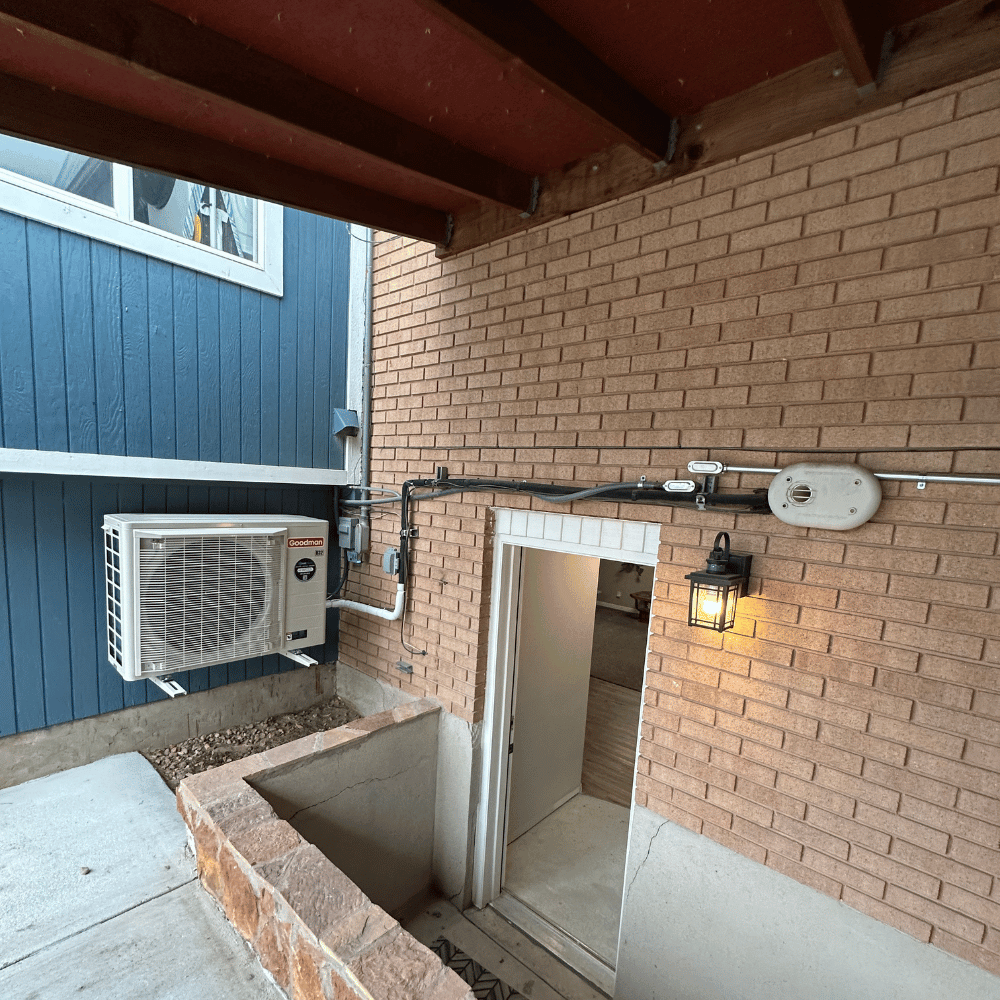
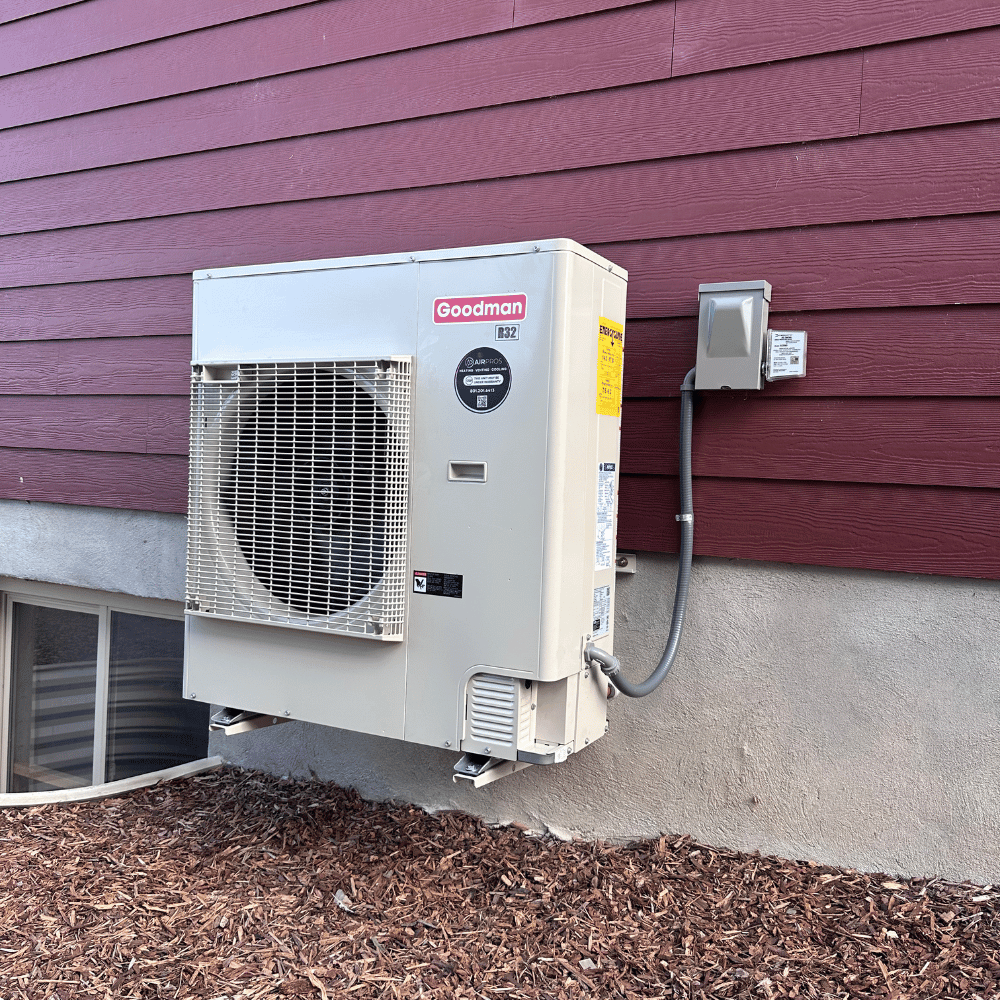
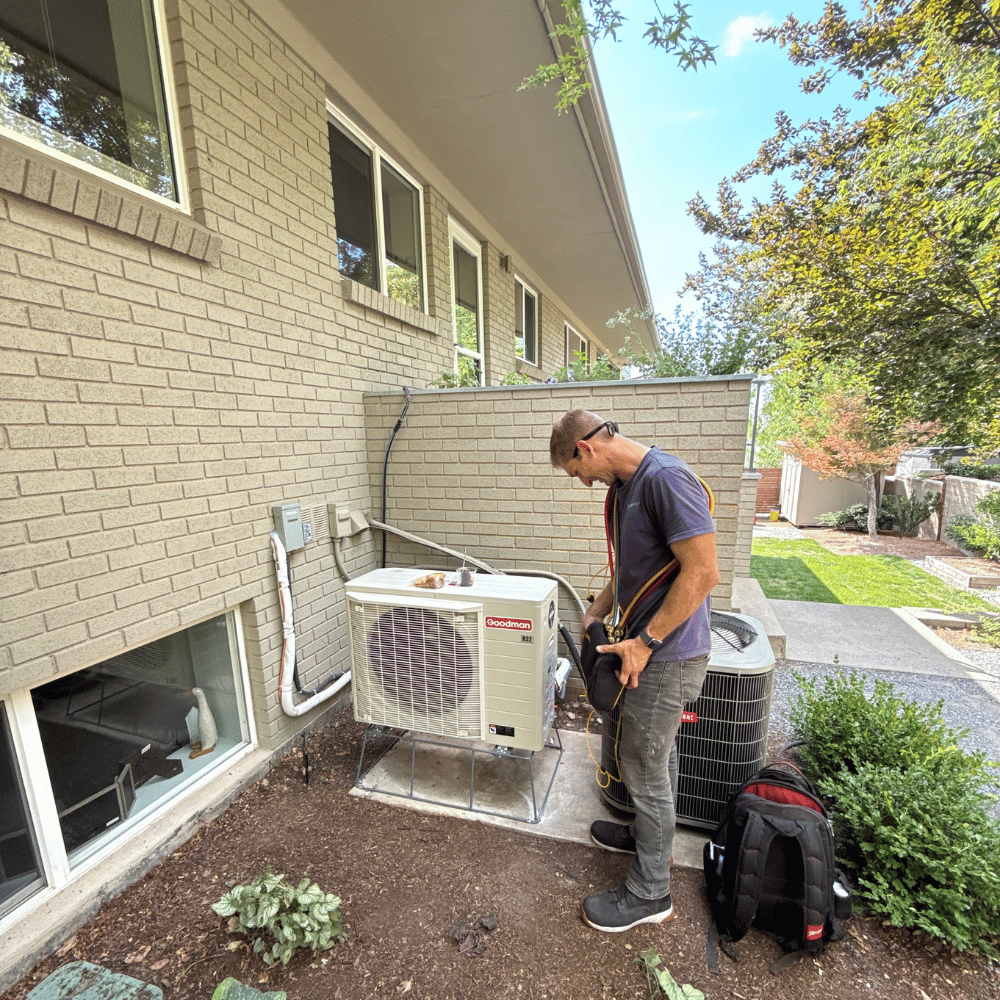
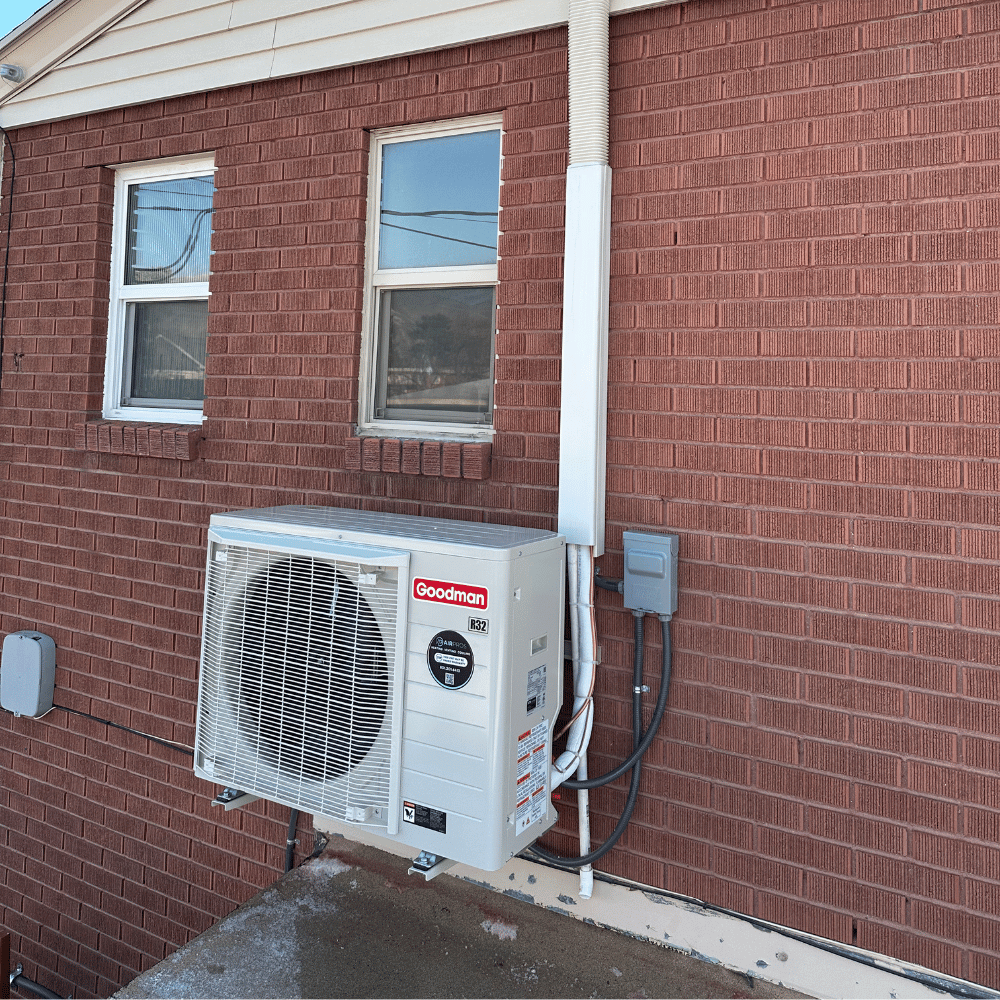
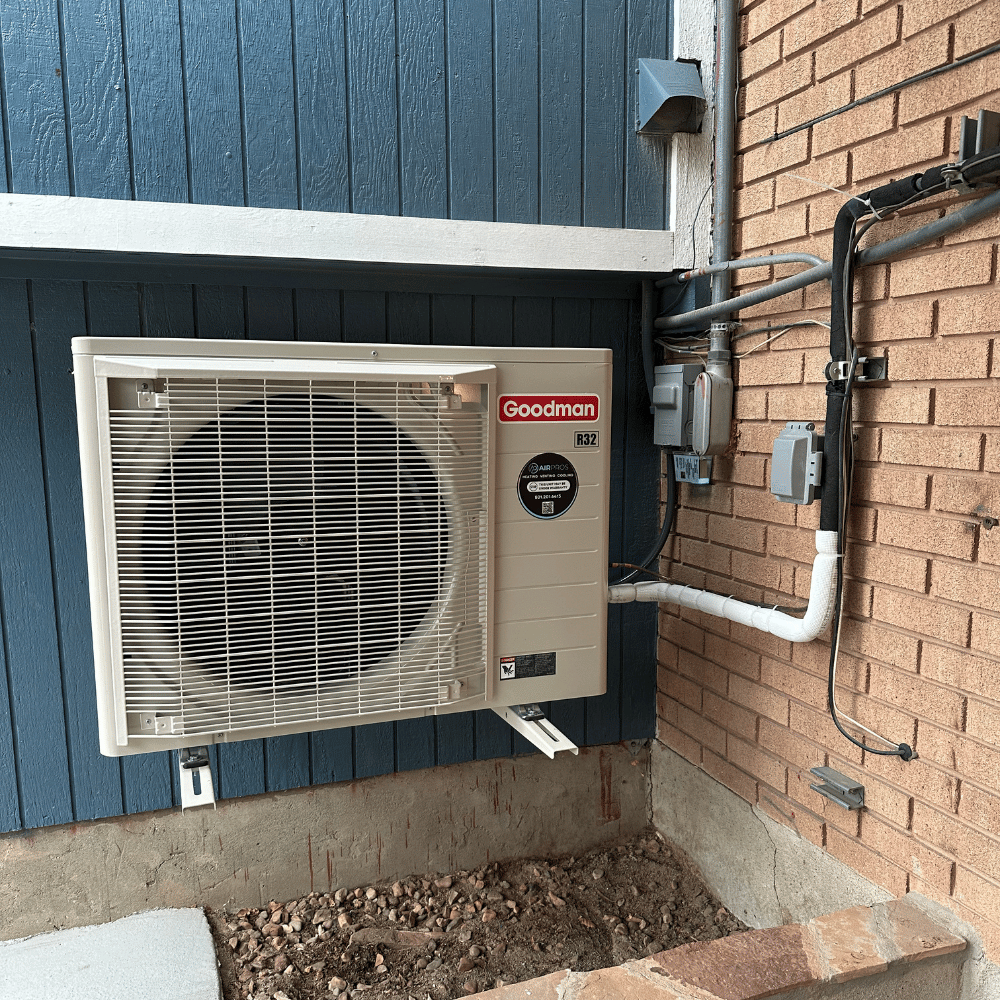



A heat pump that runs constantly without reaching the thermostat setting may have low refrigerant, a failing compressor, or a stuck reversing valve. In winter, it can also mean the auxiliary heat isn't kicking in when it should.
If switching modes at the thermostat does nothing, suspect the reversing valve or its control wiring. This one is unique to heat pumps, and it needs a professional diagnosis.
Light winter frost is normal; the defrost cycle handles it. Thick, persistent ice is not. Common causes include a bad defrost board, low refrigerant, a stuck reversing valve, or a failed outdoor fan motor.
Starting and stopping every few minutes stresses the compressor, the priciest part in the system. Causes range from a bad thermostat to a refrigerant leak to an oversized unit.
Heat pumps should run quietly. Grinding often points to motor bearings; rattling can be loose hardware or debris. New noises are worth a call before they become a no-heat or no-cool situation.
A struggling heat pump burns noticeably more energy than a healthy one. If your usage habits haven't changed but the bill has, the system is working harder than it should.
Blower trouble, a clogged filter, frozen coils, or duct restrictions all show up as weak airflow, and all of them accelerate wear the longer they run.


Repair work is where an HVAC company shows its character, because you're trusting a diagnosis you can't see.
Air Pros is a Salt Lake City company, and the people who answer the phone are accountable to neighbors, not a call center. Our techs live with the same winters your heat pump does.
The reviews repeat the same themes: on time, honest about what's needed, careful with the work.
We're a Mitsubishi Electric Diamond Contractor, and that factory-level standard carries into every Trane, Goodman, Lennox, Carrier, and Rheem system we repair.
If a repair doesn't make financial sense, we say so before you spend the money, not after.
Heat pump repair pricing depends on the part. Capacitors, contactors, and thermostat fixes sit at the affordable end; compressor and reversing valve work sits at the top. We diagnose first, then give you a written price to approve before any work starts, so there's no meter running while you decide.
The harder question is when to stop repairing. The industry shorthand is the $5,000 rule: the system's age multiplied by the repair cost. Stay under $5,000 and the repair usually earns its keep; land over it and replacement deserves a real quote. One caution specific to heat pumps: because they run both seasons, they pack more wear into each calendar year than a summer-only AC, so age weighs heavier in that math than the number alone suggests.
Replacement also moves up the list when a system is pushing 15 years, breaks down every season, or runs on phased-out R-22 refrigerant. We repair and we replace, so we've got no reason to steer you either way; you'll see both paths priced side by side.
Most heat pump failures telegraph themselves months ahead: a weakening capacitor, a slow leak, a defrost sensor drifting out of spec. Because heat pumps work both seasons, they need service twice a year to catch that wear, once in spring and once in fall. The Air Pros Pro-Active Plan handles both visits automatically and moves you to the front of the line when something does go wrong.